Long-Lasting & Elegant: The Comprehensive Guide to Metal Roofing Advantages and Installation
Metal roofing has gained popularity among homeowners for its impressive durability and aesthetic versatility. Offering a lifespan of 40 to 70 years, it endures diverse weather elements while improving a property's aesthetic value. However, the upfront expenses can prompt inquiries about its cost-effectiveness. Understanding the positive aspects, installation process, and maintenance demands can offer insight. What factors should homeowners weigh when choosing this roofing option? The answers may be unexpected.
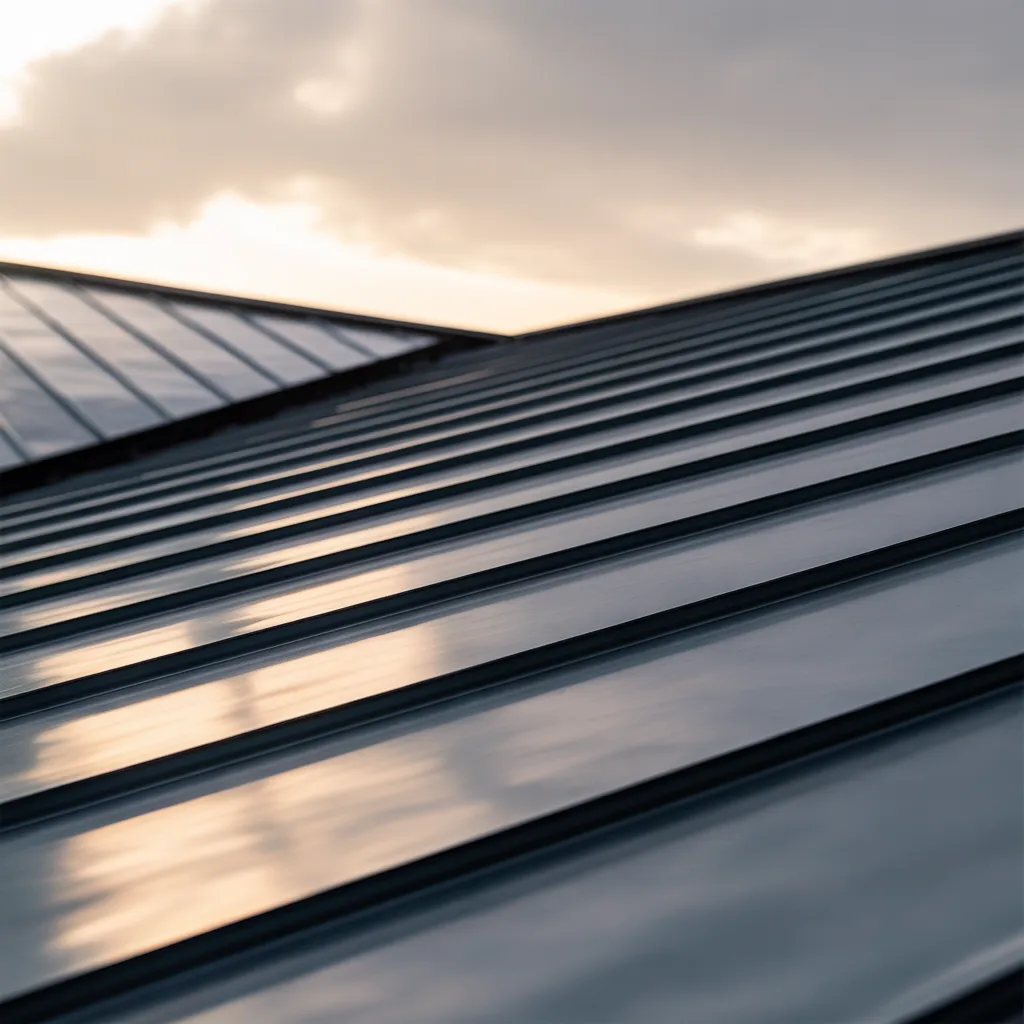
The Reasons to Choose Metal Roofing for Your Property?
As homeowners seek sturdy and high-performance roofing solutions, metal roofing stands out as a compelling option. Famous for its longevity, metal roofing can last from 40 to 70 years, significantly exceeding traditional materials. This durability results in fewer repairs and replacements, delivering peace of mind to homeowners. Additionally, metal roofs are resistant to extreme weather conditions, including heavy rain, snow, and high winds, which improves their suitability in diverse climates.
Beyond practicality, metal roofing delivers aesthetic versatility. Coming in a spectrum of styles, colors, and finishes, it can suit various architectural designs, catering to diverse homeowner preferences. Additionally, metal roofs are energy efficient, reflecting solar radiant heat, which can result in reduced cooling costs in warmer months. Their lightweight nature also enables easier installation and less structural stress on homes. Overall, metal roofing presents a combination of durability, style, and efficiency, making it an attractive option for many homeowners.
Does Metal Roofing Justify the Expense?
Is a metal roof a sound financial investment for homeowners? The answer generally depends on a number of essential factors. While the upfront cost of metal roofing can be higher than traditional materials, its lifespan and resilience can warrant the upfront expense. Homeowners can expect metal roofs to last considerably longer, reducing the frequency and cost of replacements.
Furthermore, metal roofing can increase energy efficiency, potentially cutting utility bills through enhanced insulation and reflective properties. This energy savings, together with minimal maintenance costs and potential insurance discounts, can contribute to long-term financial benefits.
Additionally, metal roofs can boost a property's resale value, making them an attractive option for homeowners wanting to invest wisely. All things considered, while the initial price may be daunting, the substantial benefits connected to metal roofing can make it a worthwhile expense for many homeowners.
What is the Expected Lifespan of Metal Roofing?
Metal roofing usually lasts between 40 to 70 years, considerably outpacing traditional roofing materials such as asphalt shingles, which generally endure only 15 to 30 years. This durability can be attributed to the innate toughness of metals, which repel rust, impact, and extreme weather conditions. Furthermore, metal roofing is often finished with protective finishes that boost its lifespan and resistance to corrosion.
Aspects that impact the lifespan of metal roofing include the quality of the materials used, how it's installed, and environmental conditions. Premium materials, such as galvanized steel or aluminum, typically deliver better performance over time. Appropriate installation methods are crucial; improperly installed metal roofs may experience premature failure.
Periodic maintenance, like inspections and cleaning, can further increase the life expectancy of metal roofing. In general, homeowners can anticipate a durable roofing system that provides value and security to their properties.
The Way Metal Roofing Cuts Your Costs
Metal roofing delivers significant financial gains through lower energy costs and long-term durability. By deflecting heat in the summer and providing insulation during the winter, metal roofs can generate lower utility bills. Additionally, their extended lifespan minimizes the need for frequent replacements, ultimately saving homeowners money over time.
Lower Energy Costs
One of the key advantages of metal roofing is its capability to dramatically cut energy costs. Metal roofs deflect solar radiant heat, which can substantially decrease cooling expenses during hot months. This reflective property preserves lower indoor temperatures, decreasing the reliance on air conditioning systems. Therefore, homeowners often notice reduced energy bills, particularly in warmer climates. Additionally, metal roofs can be insulated, further boosting their energy efficiency. This insulation not only aids in sustaining comfortable indoor temperatures but also supports energy conservation year-round. As a result, investing in metal roofing becomes advantageous not just for immediate savings but also for long-term financial relief, making it an attractive option for budget-conscious homeowners seeking sustainable solutions.
Extended Durability Cost Benefits
Longevity is a key factor when assessing roofing options, and metal roofing performs exceptionally well in this area. Its lifespan typically spans 40 to 70 years, significantly outlasting conventional materials such as asphalt shingles, which often need replacement every 15 to 20 years. This impressive durability translates into substantial long-term savings, as homeowners can minimize the frequency and costs associated with roof replacements. Additionally, metal roofing is impervious to elements like wind, hail, and fire, minimizing the likelihood of damage and costly repairs. Moreover, many metal roofs include warranties of up to 50 years, offering peace of mind for homeowners. Overall, investing in metal roofing not only boosts property value but also generates financial savings over time.
Visual Attraction: Enhancing Your Home With Metal Roofing
Although homeowners frequently pursue durability and energy efficiency in roofing materials, the aesthetic appeal of metal roofing cannot be overlooked. This versatile option is comes in a range of styles, textures, and colors, allowing homeowners to opt for a design that suits their property's architecture. Whether opting for sleek, modern panels or traditional corrugated styles, metal roofing boosts curb appeal and can raise the complete aesthetic of a home.
Furthermore, metal roofs can mimic the appearance of other materials, such as wood or slate, presenting the desired aesthetic without giving up durability. The reflective properties of metal also create a unique visual impact, especially in sunlight, generating a dynamic interplay of light and shadow.
Integrating metal roofing can make a bold statement, displaying individuality while providing lasting beauty. Ultimately, the aesthetic advantages of metal roofing provide homeowners an opportunity to express their unique design vision while benefiting from the perks of a resilient material.
Selecting the Right Type of Metal Roofing
Picking the right type of metal roofing is a vital consideration for homeowners looking to enhance both the visual and functional aspects of their property. Different metal roofing materials, including steel, aluminum, and copper, offer unique advantages. Steel, known for its strength and durability, is often galvanized for enhanced corrosion resistance. Aluminum is lightweight and resistant to rust, making it excellent for coastal regions. Copper, while more expensive, provides a unique patina that becomes more beautiful over time.
Property owners should likewise examine the style and finish of the metal roofing. Choices vary from standing seam to corrugated panels, each presenting a different visual appeal and functionality. Moreover, color choices can dramatically affect energy efficiency, reflecting sunlight and reducing cooling costs. In the end, selecting the right type of metal roofing involves harmonizing personal preferences with practical considerations, guaranteeing a lasting investment that complements the overall design of the home.
The Metal Roofing Installation Procedure
Installing metal roofing involves numerous key steps that deliver a successful completion. At first, comprehensive preparation and planning are necessary to handle location-specific needs. After that, comprehending the different installation methods and maintenance guidelines can enhance the durability and functionality of the metal roof.
Preparation and Planning Steps
Before beginning a metal roofing installation, thorough preparation and planning are crucial to guarantee a successful outcome. Homeowners should initiate by evaluating the existing roof structure, verifying it can bear the weight of metal panels. Accurate measurements of the roof dimensions are essential, as they determine the amount of materials needed. Additionally, determining the right type of metal roofing—such as corrugated steel or aluminum—requires analysis of local climate and aesthetic preferences. It is also advisable to check local building codes and obtain required permits. Gathering all needed tools and materials in advance will expedite the installation process. Finally, creating a timeline and a contingency plan for unexpected challenges can considerably boost the effectiveness and effectiveness of the roofing project.
Overview of Installation Techniques
When the planning and preparation steps are complete, homeowners can commence the installation of metal roofing with confidence. The installation procedure usually begins with securing the necessary materials and tools, including metal panels, underlayment, and fasteners. Following this, workers will install flashing around chimneys, vents, and other protrusions to guarantee water resistance. The metal panels are then positioned, starting from the bottom edge of the roof and working upward, overlapping each panel to promote efficient drainage. Fasteners should be placed in the panel's flat areas to eliminate leaks. Finally, trim pieces are added to complete the roof's both aesthetic and functional aspects. Implementing these techniques provides a stylish and durable finish, maximizing the benefits of metal roofing.
Post-Installation Maintenance Tips
Preserving a metal roof following installation is essential for preserving its durability and effectiveness. Periodic inspections should be carried out at least bi-annually a year, concentrating on areas vulnerable to debris buildup, such as valleys and gutters. Cleaning is vital; using a non-abrasive brush or a low-pressure washer aids in remove dirt and oxidation. It is advisable to inspect for loose fasteners, verifying they are tightened to stop leaks. Moreover, ensuring proper drainage can stop water damage and rust buildup. If applicable, applying a protective coating every few years enhances the roof's resistance to weather elements. Finally, addressing any signs of damage immediately can significantly increase the lifespan of a metal roof, guaranteeing it remains both operational and aesthetically appealing.
Upkeep Recommendations for Your Metal Roof
Regular upkeep of a metal roof is essential to secure its longevity and performance. Homeowners should initiate by performing routine inspections a minimum of twice examine guide a year, targeting areas subject to debris accumulation, such as valleys and gutters. Eliminating leaves, branches, and other debris helps prevent water pooling and potential corrosion.
Following this, checking for evidence of rust or damage is critical. Any discovered issues should be addressed promptly with proper sealants or coatings to preserve the integrity of the roof. It is also wise to keep the metal surface clean by cleaning it with mild detergent and water, making sure that dirt and pollutants do not damage the finish.
Additionally, checking and tightening fasteners can assist in prevent leaks. If the roof has paint, a routine repainting may be necessary to prevent fading and corrosion. Applying these maintenance practices can considerably extend the lifespan and aesthetic appeal of a metal roof.
Debunking Common False Beliefs About Metal Roofing
Various myths surround metal roofing, especially concerning its noise levels and vulnerability to rust. Against popular belief, today's metal roofs are designed with sound-dampening technology, greatly reducing noise during rain or hail. Furthermore, progress in coating technology have made metal roofs very resistant to rust, ensuring extended lifespan and lasting quality.
Metal Roofs Are Noisy
Although some homeowners worry that metal roofs are too noisy during precipitation or hail events, this perception is mostly a myth. Modern metal roofing systems are usually installed over solid sheathing, which substantially dampens sound. The insulation and underlayment used during installation additionally reduce noise levels, making them equivalent to traditional roofing materials. Additionally, the sound produced during rain or hailstorms is often less apparent than that of asphalt shingles, which can create a more resonant sound. Homeowners who prioritize comfort and tranquility can opt for high-quality insulation to boost soundproofing. Overall, the notion that metal roofs are extremely noisy is inaccurate, and many homeowners find their noise levels extremely manageable.
Metal Roofing Is Susceptible to Rust
While some believe that metal roofs are vulnerable to rusting, this is a misconception grounded in outdated information. Modern metal roofing materials, such as galvanized steel and aluminum, are purposefully engineered to resist corrosion. These materials undergo treatments that boost their durability, including protective coatings that prevent rust formation. In addition, advancements in technology have led to the development of rust-resistant alloys, guaranteeing longevity even in harsh weather conditions. Regular maintenance, such as cleaning and inspecting for damage, additionally helps to prevent any potential rust issues. As a result, homeowners can experience the aesthetic and functional benefits of metal roofs without the fear of rust damaging their investment. Understanding these facts can transform perceptions about the reliability of metal roofing systems.
Comparing Metal Roofing versus Other Solutions: Strengths and Weaknesses
When assessing roofing solutions, homeowners often compare the pros and cons of metal roofing against traditional materials like asphalt shingles, wood, and tile. Metal roofing offers impressive durability and longevity, often lasting 40 to 70 years, versus asphalt shingles which typically last 15 to 30 years. Furthermore, metal roofs are energy effective, reflecting solar heat and potentially lowering cooling costs.
However, the starting installation cost of metal roofing is usually more expensive than that of asphalt or wood, which may deter some homeowners. On the other hand, metal roofs are lighter and require less structural support, which can be a considerable advantage in particular situations.
Conversely, traditional materials including wood and tile provide aesthetic appeal but are often susceptible to rot, mold, or insect damage. Finally, the choice depends on budget, climate, and personal preference, making it important for homeowners to evaluate their unique needs carefully.
Frequently Asked Questions
Can Metal Roofs Be Installed Over Existing Shingles?
Installing metal roofing over existing shingles is possible. This approach saves both time and labor costs while offering extra insulation. However, verifying that the underlying structure can handle the additional weight is crucial.
What Color Options and Finishes Can You Get for Metal Roofing?
Metal roofs are offered in a range of colors and finishes, including matte, glossy, and textured finishes. Popular colors range from classic neutrals to vibrant hues, providing homeowners flexibility in matching their architectural styles and aesthetic preferences.
How Well Does Metal Roofing Hold Up in Severe Weather?
Metal roofing systems thrive in extreme weather, enduring high winds, heavy snow, and intense heat. The resistance to corrosion and fire improves long-term performance, making it an excellent option for different climate zones and severe weather situations.
Are Metal Roofs Environmentally Conscious?
Metal roofing is environmentally conscious because of its recyclability, energy efficiency, and power to reflect solar heat. These features result in lowered energy consumption and reduced greenhouse gas emissions, making it a sustainable building material choice.
Does Installing Metal Roofing Require Specialized Equipment?
Yes, metal roofing installation typically requires special tools, including safety equipment, metal shears, and a drill. These tools guarantee accuracy and safety, making the installation process effective and efficient for achieving superior results.